
Beyond the Beltway Noise: What the National Midterm Media Cycle Misses About Ohio’s Real Stakes
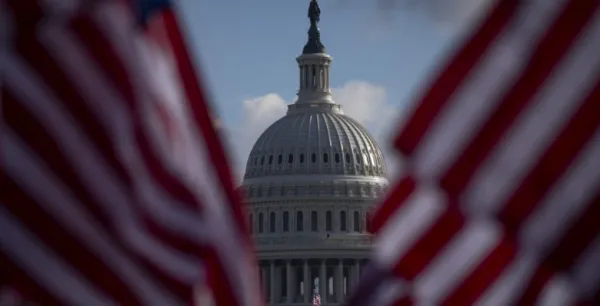
As the post-Labor Day campaign sprint begins, national media outlets are churning out familiar, top-down narratives about the upcoming midterm elections. From Washington to Wall Street, the national press remains fixated on beltway horse-race dynamics, political war chests, and congressional majorities.
Recent national commentary illustrates this narrow focus:
Beltway Volatility: National press coverage highlights President Donald Trump’s $400 million war chest, shifting congressional maps, and high-level policy debates over tariffs, AI data centers, and cryptocurrency regulation.
Internal Party Friction: Establishment media outlets focus heavily on House Democratic Leader Hakeem Jeffries navigating ideological tension with progressive flanks following primary wins by democratic socialists in solid-blue districts.
Statistical Forecasting: National electoral modeling frames major battleground states primarily through the lens of Senate seat arithmetic and federal committee control. While national pundits view 2026 purely as a battle over federal power, this Beltway-centric lens completely misses the structural forces and grassroots realities driving working-class Ohioans.
What the National Analysis Means for Ohioans
- Ohio as a Key Battleground, Not Just a Statistic
National forecasts treat Ohio’s state and congressional contests as mere chess pieces in the fight for federal balance. For everyday Ohioans, however, these races represent urgent local challenges: soaring utility rates, corporate tax subsidies, economic anxieties surrounding manufacturing, and direct threats to constitutional rights.
The Limits of National Party Labels & The Growing Disillusionment of Voters
While Washington figures debate party rhetoric inside the Beltway, Ohioans across urban centers and rural communities consistently look beyond major-party alignments. Grassroots voters prioritize direct accountability, civil rights protections, and local economic self-determination over national party strategy. This disconnect is particularly evident in the Ohio gubernatorial race. When figures like Amy Acton publicly announced support for keeping qualified immunity intact, it delivered a profound blow to core constitutional advocacy coalitions. Gen Z organizers, LGBTQ+ advocates, immigrant communities, trans Ohioans, and champions fighting against the probate trap, prosecutorial misconduct, and Dram Shop Act failures are left questioning where their protections lie. When political candidates align with state power structures to shield government misconduct, many Ohioans are actively choosing to skip the governor’s race entirely—refusing to allow establishment politics to trade away fundamental constitutional protections. 3. State-Level Autonomy vs. Federal Intrusion
As highlighted across national reporting, even state leadership across the country is raising alarms regarding federal overreach in election administration. For Ohioans, protecting direct democracy, petition access, and state ballot integrity remains a fundamental imperative that transcends national party lines. Please visit oceqi.org to learn more about our historic movement.
Miss Cynthia Denise Brown Founder, Heartbeat Movement Inc. Committee Chair, Protecting Ohioans' Constitutional Rights Founder, The Ohio Coalition for Police Accountability and Transparency
Ohio Coalition to End Qualified Immunity
Resource links:
https://www.pbs.org/newshour/politics/a-whiplash-election-year-enters-its-final-stretch-as-trump-holds-wild-cards
https://www.cnn.com/2026/09/07/politics/jeffries-challenges-left-progressives
https://www.newsweek.com/republicans-chances-of-losing-senate-to-democrats-per-nate-silver-forecast-12412870
https://metrozone.newsroomlabs.com/article-summary/33257689